

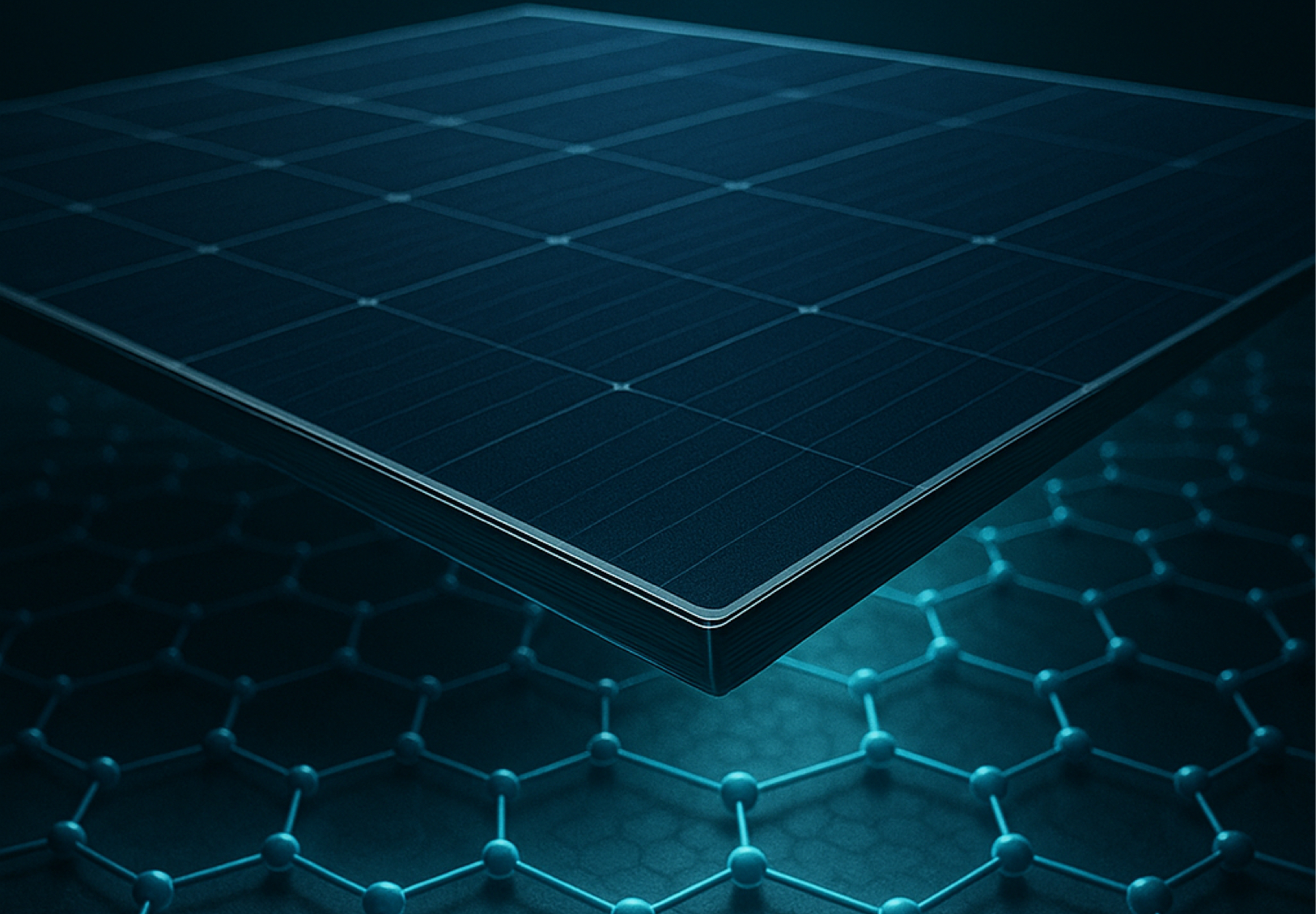
As the world shifts toward decarbonization and high-efficiency technologies, graphene has emerged as a critical enabler.
From ultra-light batteries to flexible electronics, this atom-thin carbon structure is quietly driving breakthroughs in clean energy, sustainable manufacturing, and next-generation computing. This article explores how – and why – graphene is moving beyond the hype to become a real industrial asset.
1. The Limits of Silicon – and the Rise of New Materials
Silicon has powered innovation for over half a century – from microchips to solar panels. But as we push for smaller, faster, cleaner, and more flexible technologies, silicon is reaching its physical limits.
Enter graphene:
-
200x stronger than steel
-
Conducts electricity better than copper
-
Only one atom thick
-
Flexible, transparent, and lightweight
These properties open the door to clean tech applications that were previously impossible – or too inefficient to scale.
2. Clean Energy Storage Gets Smarter and Smaller
In the race for sustainable energy, graphene is revolutionizing energy storage:
-
⚡ Faster charging and greater capacity in lithium and solid-state batteries
-
🔋 Supercapacitors with high power density and near-instant charge cycles
-
🌞 Improved solar energy systems through lightweight graphene-based conductors
These advantages make graphene ideal for EVs, grid storage, and portable energy solutions, where performance and sustainability must go hand in hand.
3. Green Manufacturing with Less Waste
Traditional material processing is often energy-intensive and toxic. Graphene – when produced without chemicals or heat – offers a cleaner alternative.
Technologies like the AT800 Series allow for:
-
Dry exfoliation of graphite into graphene
-
Zero chemical byproducts
-
Low energy consumption at industrial scale
This opens up new options for eco-friendly manufacturing, especially in industries facing regulatory pressure to decarbonize.
4. Electronics Go Flexible – and Sustainable
Graphene is enabling a new wave of wearable, bendable, and ultra-efficient electronics, including:
-
Flexible displays & sensors
-
Conductive coatings and films
-
Transparent electrodes for solar and OLED devices
Unlike rare earths or heavy metals, graphene is abundant, recyclable, and carbon-based – aligning with circular economy principles.
5. What Comes Next? Beyond the Buzzword.
By 2030, clean tech won’t just be about carbon offsetting – it will be about materials that reduce energy use at their core.
Graphene is set to play a foundational role in that transition.
Industries that begin integrating graphene today will:
-
Lower material and energy costs
-
Improve product lifespan and performance
-
Reduce reliance on scarce or toxic materials
-
Gain early access to emerging clean tech markets
Conclusion
Graphene isn’t a replacement for silicon – it’s the next layer of possibility.
From powering greener factories to enabling the next generation of electronics, graphene is reshaping how innovation is built.
The cleanest tech of tomorrow?
It’s built with carbon – the right kind.